

Anya just drank up Emma’s house as Emma showed her through. A bright oilcloth covered the kitchen table. Gingham curtains fluttered in the window. A cast-iron cook stove filled one corner of the kitchen and a few dish-lined shelves covered the walls over the cook table. A dishpan hung on one side of the stove and a few pots on the other. A can of flour and a bread board sat on the cook table. Doors opened off either side of the kitchen and rough stairs climbed to the attic opposite the stove. An apron hung on a nail, next to an embroidered drying towel. A water bucket and dipper stood on a shelf next to the back door. A cracked mirror in a frame hung there also, along with a comb on a string, concession to vanity. A clorful braided rag rug covered the rough board floor lending a cheery air to the bright kitchen.
“We got bedrooms opening off both sides of the kitchen. When Melvin got old enough, he slept in the attic. He moved downstairs after Marthy married. He’s courtin’ Jenny Parker, now, so I reckon they could be a weddin’ before too long. I always hoped we’d have to build more rooms fer a passel of younguns, but I guess the Good Lord thought two was a’plenty. We ain’t always had it so nice. Twenty-four years ago we started digging out a sod house when I was first a’carrying Martha. We ain’t been married long an’ didn’t have nothin’ but a start of seed, Rufus’s old gun, the clothes we stood up in, a few quilts, some old pots and crockery my ma spared me, an ax, shovel, plow and a mule and wagon Rufus’s pa set him up with. Our folks was mighty good to help us like that. They ain’t had much neither. We slept in the wagon fer a few weeks while we planted and Rufus dug sod. By July, it had dried out enough so we could frame up with poles Joe cut down by the creek. By that time Rufus had a good-sized hole dug and the sod had dried enough to stack. We set corner poles and got to stacking them soddy bricks. After we got high as I could reach on the north side, Rufus stacked the rest of the way up and I started the next wall. We took the wagon apart to frame up the door and build a tight door. Rufus sodded up a lean-to for the mule off the back wall of our soddy. I sure hated to see that old wagon go, but there weren’t no timber. We sodded the roof, and it was good enough to get us through a winter or two.
After our second crop come in, Joe come up with enough lumber to build a two-room cabin. I was sure proud. That soddy kept us out of the cold, but when it rained mud was always fallin’ in on us….and the bugs! We couldn’t keep them bugs out! A cabin is sure a comfort! He built the other bedroom I was carrying the still-born baby, but we didn’t need more room till Melvin come along.
That old soddy comes in handy as a root cellar now. Long as we keep plenty of dry straw on the floor and don’t let the taters, sweet taters, turnips, and apples from touchin’ they’ll keep till spring. I hang my onions and herbs on the rafters so they keep good. I make leather britches out of my green beans so we can have a taste of fresh all winter. A few years ago, Rufus brung me in some a’them canning jars an’ I been able to put up conserves when the fruit comes in. I was so proud, I ‘bout cried when I seen ‘em. Here, I want you to have this wild plum conserve I put up. It will go so good with your fine biscuits.” Emma was justly proud of her home and housekeeping.
Tears came to Anya’s eyes. “Oh Emma, this is the finest thing I’ve ever been given. I’ll make sure to git your jar safe back to you.”
“Oh no you won’t. It’s a weddin’ present. Every woman should have something fine from a friend. I am proud to be your first one here.” Emma hugged Anya to her with the warmth of a mother. “I’m sure praying you’ll carry this little one and be spared the sorrow I felt.”
“Emma, I am so worried about this baby.” Anya whispered.
 By the time Joe pulled his mules to the door to unload his wagon, it was sleeting. His life had never looked more hopeless as he brushed the icy hay from the tattered quilt covering the children’s burning faces. Though it was unchristian, he’d half-hoped to find them already dead from the fever, solving the problem of their care.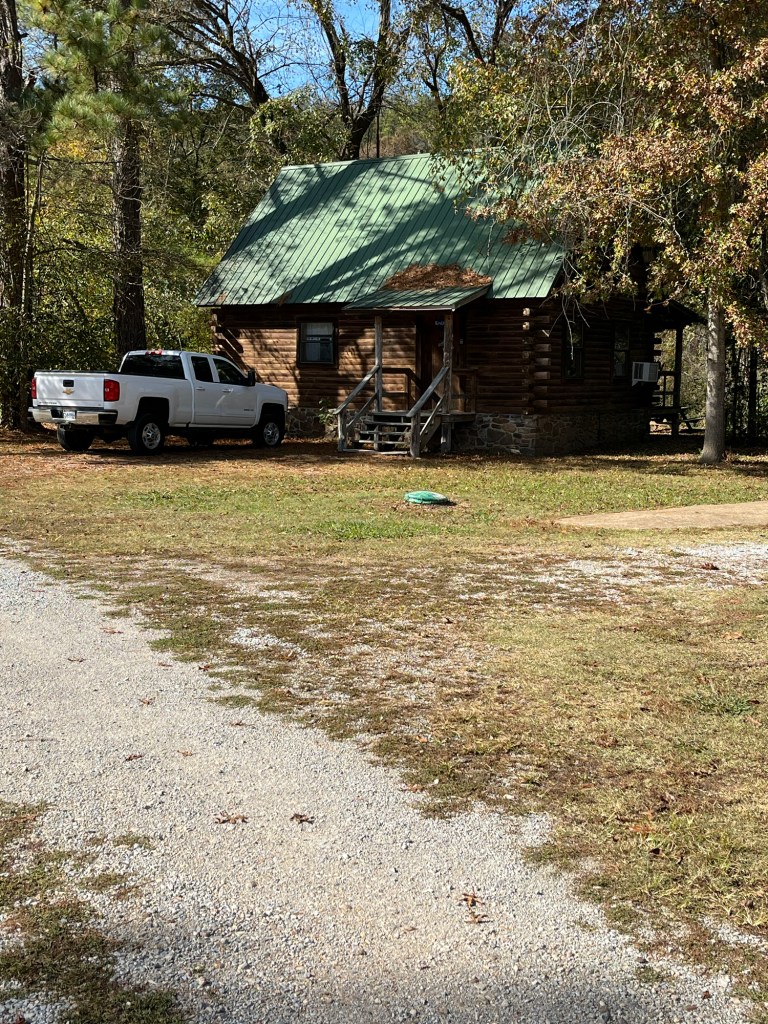


 Through a connection with his son, Uncle Albert somehow came up on a ninety-nine year lease on several acres on Dorcheat Bayou in Louisiana. Ready to retire from farming, he decided a fish camp would provide a modest retirement income. My father bought his farm and stock, but that’s a story for another day. Obviously, he was a multi-talented man, able to turn his hand to any task. His farm boasted two cabins. He moved into the second cabin, disassembled the log house he was living in loaded it piece by piece on his old truck, and moved it to his lease, where he went to work reassembling it just as it had originally been, except he added an additional bedroom, occasionally recruiting help from relatives with bigger jobs. Once the reassembled house was in the dry, he took apart the second cabin, using the timber to cover over the logs and seal the house tighter. One day, Daddy decided we’d go by and check on Uncle Albert’s progress. My older sister climbed on the unsecured log walls, tumbling them to the ground. I was so glad she got to them before I did. Neither Daddy nor Uncle Albert was pleased. Daddy spent the rest of that evening and Saturday helping Uncle Albert get it back together. None of us kids were invited along, for some reason. When Uncle Albert was satisfied with his house, he used the rest of the salvaged lumber for fishing boats, a pier, fences, a bait shop, and outbuildings. Soon he had a pretty good business going. By the next spring, he had a large garden underway.
 He checked on the woman and children several times always finding them asleep. The children’s breathing was regular and less shallow. The pink of their cheeks faded as the fever dropped. Twice more he fed and diapered them and assisted the woman to the pot. The next two days were much the same, more feeding, more dosing with Dr. Marvel, more changing, and always, more washing. The little boy rallied first, trailing Joe. From time to time, he called for Mama, but overall seemed contented. Joe looked forward to the woman regaining her strength and assuming her responsibilities. She was attentive to the baby girl who still lay abed with her. Thankfully, the baby finally got hungry enough to accept the bottle after a few tries. It made it easier to get the Dr. Marvel’s in her, anyway. The woman could barely stay awake long enough to feed the baby but kept it at her side. On the fourth day, the woman began to eat regular food, though she mashed it first. One day, she coughed and spit a cracked molar into her palm, increasing Joe’s guilt about burying her alive, though he still didn’t remember hitting her with the shovel. Joe had hopes when she’d learn some English soon, since he didn’t understand a word she said when she did speak to the baby or cry out in pain upon moving. She had picked up on coffee, milk, baby, hurt, boy, pot, and a few other words, but there was no conversation yet. She never called him “Joe.”
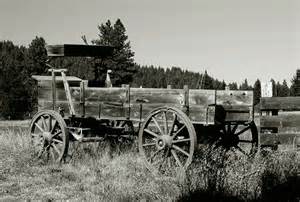 By the time Joe pulled his mules to the door to unload his wagon, it was sleeting. His life had never looked more hopeless as he brushed the icy hay from the tattered quilt covering the children’s burning faces. Though it was unchristian, he’d half-hoped to find them already dead from the fever, solving the problem of their care.
 Nutsrok