
 House much like Aunt Ader’s
Not understanding the nature of inebriation, I assumed Uncle Dunc, a great name for a drunk, was just playful when he laughed at all our jokes and fell off the high porch chasing us. No one bothered to explain for years that Dunc was a drunk. He was one of my mawmaw’s youngest siblings, younger than some of her own children. Her mother, Cynthia, was a scandal, having been twice divorced before she married John Miller. John only lasted long enough to father a daughter and twin boys in quick succession before dying of lead poisoning. He was shot in a bar fight, he was saved the heartbreak of his fickle wife’s abandonment. Presumably, his son Duncan was the bad apple that didn’t fall too far from either parental tree.
Aunt Lucille demeanor didn’t match Uncle Dunc’s. She was a dour, strait-laced woman not given to smiling, though it’s not likely she had much to smile about, considering her life with Dunc. She looked a lot like Smokey the Bear in a dress. I have never seen a woman more hirsute before or since. Her unibrow and mustache dominated her round face and coarse, black hair, resembling pubic hair covered her legs, though I had no knowledge of such a thing at the time. After a visit there, Daddy always warned against us girls against shaving our legs or we’d end up with legs like Lucille. I was far too young at the time to be aware of leg-shaving anyway, but I certainly didn’t want Smokey the Bear legs like that.
Most of the time when we visited Uncle Dunc’s place, many other Aunts, Uncles, and cousins were there. After dark, a propane lantern hanging on the big front porch cast a cone of light and dozens of cousins chased each other hysterically in and out of the shadows while parents visited in the cool of the front porch. Mamas rocked babies and put them down to sleep on pallets just inside the house where they could be heard if they squeaked. Sometimes there would be home-made vanilla, peach, or banana ice-cream made in hand-cranked freezers. The evening usually ended when exhausted kids were called in for ice-cream, but on the best nights, the old folks launched into deliciously terrifying ghost stories, made all the better because the teller believed them.
 A few of my forty first cousins.
To be continued
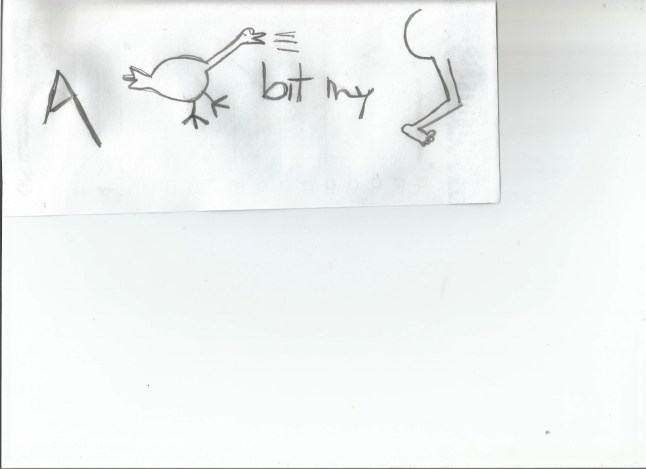 It’s been more than fifty years and my brother Bill still has nose out of joint over a little goose bite that he suffered way back in first grade. Hard to imagine holding a grudge against poultry that long.
 As she packed for this trip and opened the freezer to put in some more goodies, she discovered the tragic aftermath of a power outage leaving her with the putrid remains of her previously frozen food mounded up with writhing maggots. The frisky, fat maggots seized the opportunity to leap for freedom all down the front of her shirt, leaving her awash in foul juices and previous generations of incarcerated maggots. When her son called in the middle of the fiasco, he was appalled to learn such valuable fishing bait had been
 Cousin Bobo was footloose and fancy-free, unperturbed by the economic responsibilities of four children in three years. He doted on his child-bride, Inez, living quite happily with her and their family in an old unpainted, farm house on her mama’s place. Despite his aversion to a regular work schedule, he and Inez managed fine. There was no power to the house, so no bills. The wood stove and fireplace provided heat and cooking. The house was abandoned when they moved in, so he tacked wire over the open windows to keep varmints out, shuttering the windows for bad weather. Mama was real proud he did the right thing and married Inez, so she wasn’t about to stir up trouble, especially after the young’uns started coming. Bobo plowed and planted Mama’s garden, later helping get the peas picked and corn cut. Except for the few days he spent plowing, and cutting firewood, he fished and hunted every day, often harvesting turtles for the table. He happily peddled watermelons, fish, and turnip greens out of his old ’49 Ford Truck. They never ran short of game or fish. Sometimes he’d help a neighbor butcher a beef or hog, bringing in extra meat. He wasn’t averse to helping family with a little painting or carpentry work from time to time, as long as it was understood that his labor included a few days’s hospitality for his brood. He kept Mama’s freezer full. That along with Mama’s chickens, eggs, milk, and butter kept them going just fine. Getting clothes for the kids wasn’t a challenge. Inez was the youngest of six spectacularly fertile sisters. Their cousin’s hand-me-downs were plentiful. All those little blonde tykes lined up in overalls year round was awe-inspiring. Most of the time, they wore shirts under their overalls in winter. Plenty of old tennis shoes lay casually around, should any of the kids decide they needed footwear. Some even had mates. Size wasn’t an issue. Should a shoe be too big, it worked fine to slide-style and let it flop. The kids weren’t partial to shoes anyway, unless they were picking around in a trash dump with old cans or broken glass. Strings were scarce, but I never noticed anybody complaining.
 Uncle Russ’s camper wasn’t this nice!
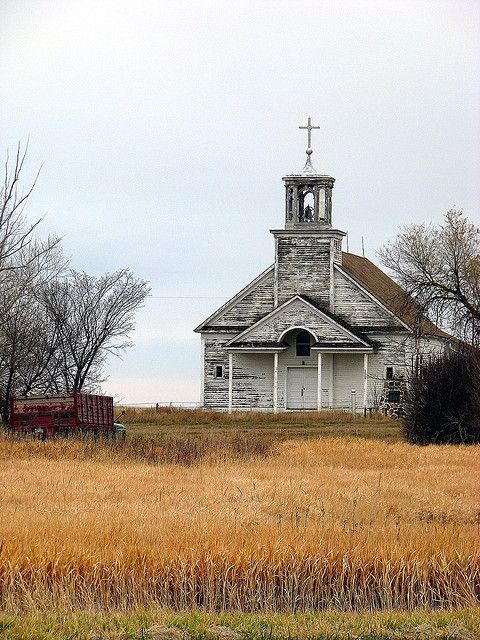 Daddy was always right. Custom and rules were for us, the underlings and nobodies of the family, and we’d best not forget it. He broke the news that some Church in the Wildwood was having a revival and we were going tonight. I never liked going to church much anyway, so this ruined my day, but wait, there was a bonus. In case that was’t bad enough, Phyliis and I were going to sing a special. For those of you unfortunates not initiated into the strange goings on of Baptist Churches back in the sixties, it was common for a slightly talented, or not, fervently religious girl to do a solo, hold the congregation captive for what could be a few miserable minutes. Presumably, she had collaborated with the choir director and pianist, so as not to hijack order of the service.
 Cousin Kat was proud of being “conservative.” She pinched pennies beyond belief, though she could afford to buy whatever she needed. Should she be given clothes or household items, she’d use only what she absolutely had to have, and sell the rest in a rummage sale. Her wardrobe was a mish-mash of parts of various outfits. She might wear a red and white striped sweater vest with a blue and pink polka-dot pullover and heavy gray corduroy skirt or green wool pants with knee socks and loafers or high-top brown boots. On cool days, she always wore a black wool hat or wool scarf. Despite her strange get-ups, she cut an appealing figure as she darted like a little bird along the trails of her little mountain village late into her eighth decade. Related to everyone there, she was totally comfortable with her life, and well-thought of by all who knew her. She worked up into her seventies when she retired to care for her ancient mother and her own ailing husband. After their deaths, she sat with the elderly in their homes, many of whom were younger than she.
 Cousin Kat was proud of her trim figure. We were getting ready to go to church with her on one visit, when she asked Mother,” Do you wear a girdle?”
 Nutsrok